The Role of Vaginal Discharge in Reproductive Health
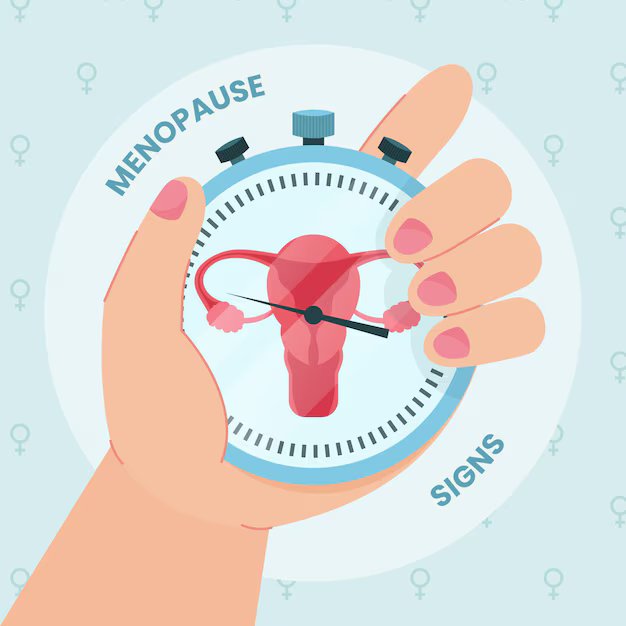
Vaginal discharge is a natural and vital part of a woman’s reproductive system. While often overlooked, it plays a crucial role in maintaining vaginal health, supporting fertility, and protecting against infections. This blog will explore the functions of vaginal discharge, its connection to reproductive health, and how understanding it can help women stay informed about their bodies.
What is Vaginal Discharge?
Vaginal discharge is a fluid produced by glands in the vagina and cervix. Its primary purpose is to clean and moisturize the vaginal canal, ensuring that harmful bacteria and dead cells are removed. The consistency, color, and quantity of discharge vary depending on hormonal changes, menstrual cycles, and overall health.
Functions of Vaginal Discharge in Reproductive Health
-
Cleansing and Protection:
- Vaginal discharge acts as the body’s natural cleaning mechanism. It removes debris, dead cells, and bacteria, helping to maintain a healthy pH balance and prevent infections.
-
Supporting Fertility:
- During ovulation, cervical mucus becomes clear and stretchy, resembling raw egg whites. This change facilitates the movement of sperm through the cervix, increasing the chances of conception.
-
Maintaining Moisture:
- Discharge prevents dryness, which can cause irritation or make sexual intercourse uncomfortable.
-
Signaling Health Issues:
- Changes in discharge can indicate infections, hormonal imbalances, or other reproductive health concerns. Recognizing these changes helps women seek timely medical care.
Types of Vaginal Discharge and Their Roles
Understanding the types of vaginal discharge is essential for tracking reproductive health:
-
Normal Discharge:
- Clear or white, with no strong odor. It varies with the menstrual cycle and reflects healthy functioning.
-
Ovulatory Discharge:
- Thin, stretchy, and clear. This type of discharge occurs mid-cycle and is a sign of fertility.
-
Pregnancy Discharge:
- Increased discharge is common during pregnancy due to hormonal changes and increased blood flow to the vaginal area.
-
Menstrual-Related Discharge:
- Before and after menstruation, discharge may appear thicker and white or slightly yellow.
When Discharge Indicates a Problem
Not all discharge is healthy. Abnormal discharge can signal underlying issues such as:
-
Infections:
- Bacterial Vaginosis: Gray or fishy-smelling discharge.
- Yeast Infections: Thick, white, and clumpy discharge with itching.
- Sexually Transmitted Infections (STIs): Yellow, green, or frothy discharge.
-
Hormonal Imbalances:
- Conditions like PCOS can alter the consistency and volume of discharge.
-
Cervical Health Issues:
- Discharge with blood, especially outside of menstruation, may require medical evaluation.
How to Maintain Healthy Vaginal Discharge
Proper care can help maintain the balance and function of vaginal discharge:
-
Good Hygiene:
- Wash the vulva with warm water and avoid harsh soaps.
-
Avoid Douching:
- Douching can disrupt the natural balance of bacteria in the vagina.
-
Healthy Diet:
- A balanced diet supports hormonal health, which influences discharge.
-
Wear Breathable Fabrics:
- Choose cotton underwear to allow airflow and prevent moisture buildup.
-
Stay Hydrated:
- Drinking water helps regulate bodily fluids, including vaginal discharge.
Tracking Vaginal Discharge for Reproductive Health
Monitoring changes in vaginal discharge can provide insights into:
- Ovulation:
- Recognizing ovulatory discharge can help with family planning or understanding fertility.
- Menstrual Cycles:
- Changes in discharge can signal the start or end of a menstrual period.
- Potential Health Issues:
- Unusual discharge may indicate infections or other concerns that require attention.
Related Articles

A Comprehensive Journey to Conception: The Complete Guide t

Coping with mood swings

Baby development at 15 weeks
.png)
Foods for baby’s brain development

Baby development at 34 weeks
Warning signs to watch out for

What is safe and what to avoid
.png)
When period pain is not normal